

Management 4.0 and the Rise of Industry 4.0
19 grudnia, 2025
Origins of Industry 4.0 and Its Historical Context
The concept of Industry 4.0 was first introduced in 2011 during the Hannover Messe trade fair, marking a symbolic and practical turning point in the evolution of modern industry. This moment is often described as the formal beginning of the fourth industrial revolution, following earlier phases driven by mechanization, electrification, and early automation. Unlike previous revolutions, Industry 4.0 emerged in response to the growing complexity of global markets, shorter product life cycles, and the need for highly flexible production systems. Digital technologies were no longer seen as supportive tools but as the foundation upon which future industrial development would be built. From the very beginning, the idea was strongly connected with the transformation of how organizations are managed, paving the way for management 4.0 as a complementary approach to technological change.
Core Technologies Behind the Fourth Industrial Revolution
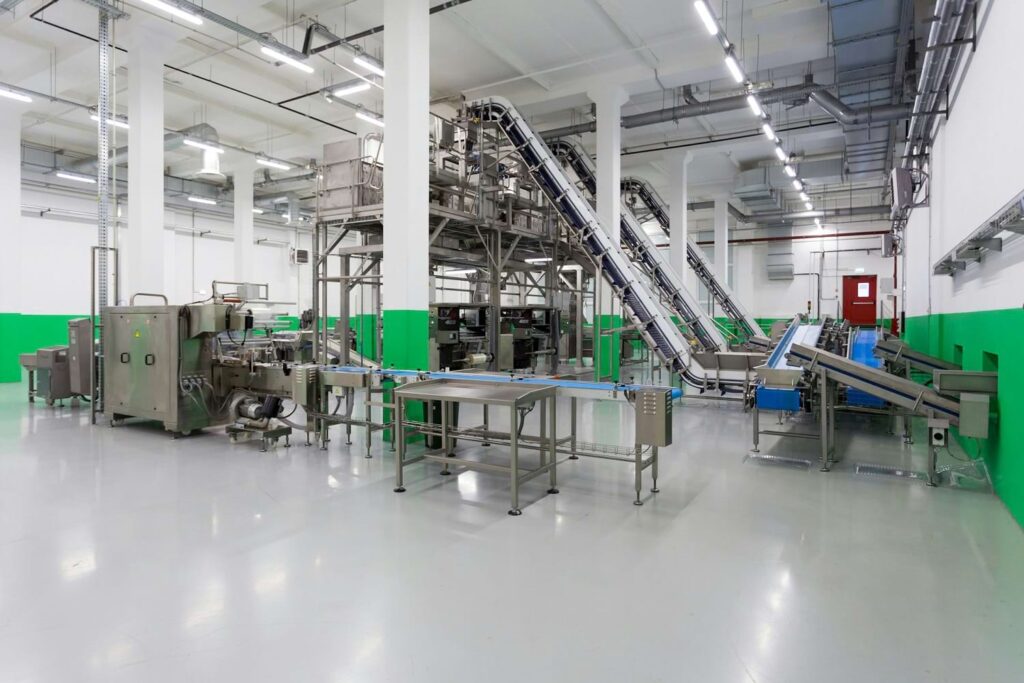
At the heart of Industry 4.0 lies the integration of advanced digital technologies into industrial environments. One of the most influential pillars is the Industrial Internet of Things (IIoT), which enables machines, sensors, and systems to communicate with each other in real time. This constant flow of data allows production lines to self-monitor, predict failures, and adapt dynamically to changing conditions. Artificial intelligence plays an equally important role by transforming raw data into actionable insights. Machine learning algorithms optimize processes, improve quality control, and support decision-making at unprecedented speed. Real-time data analytics connects these technologies into a coherent ecosystem, where transparency and responsiveness become standard rather than exceptional. In such an environment, management 4.0 evolves as a response to the need for faster decisions, decentralized authority, and data-driven leadership.
Management 4.0 as a New Leadership Paradigm
The technological shift introduced by Industry 4.0 inevitably reshapes management practices. Traditional hierarchical models struggle to keep pace with highly automated and interconnected systems. This is where management 4.0 gains relevance, emphasizing agility, collaboration, and continuous learning. Managers are no longer only supervisors of processes but facilitators of innovation and coordinators of human–machine interaction. Decision-making becomes more decentralized, supported by transparent data accessible across organizational levels. Leadership focuses on empowering teams, encouraging experimentation, and building trust in intelligent systems. The human factor remains central, yet it is redefined through new competencies such as digital literacy, analytical thinking, and the ability to work alongside advanced technologies. In this sense, management 4.0 is not merely a management trend but a structural necessity shaped by the realities of Industry 4.0.
Impact on Production, Workforce, and Organizational Culture
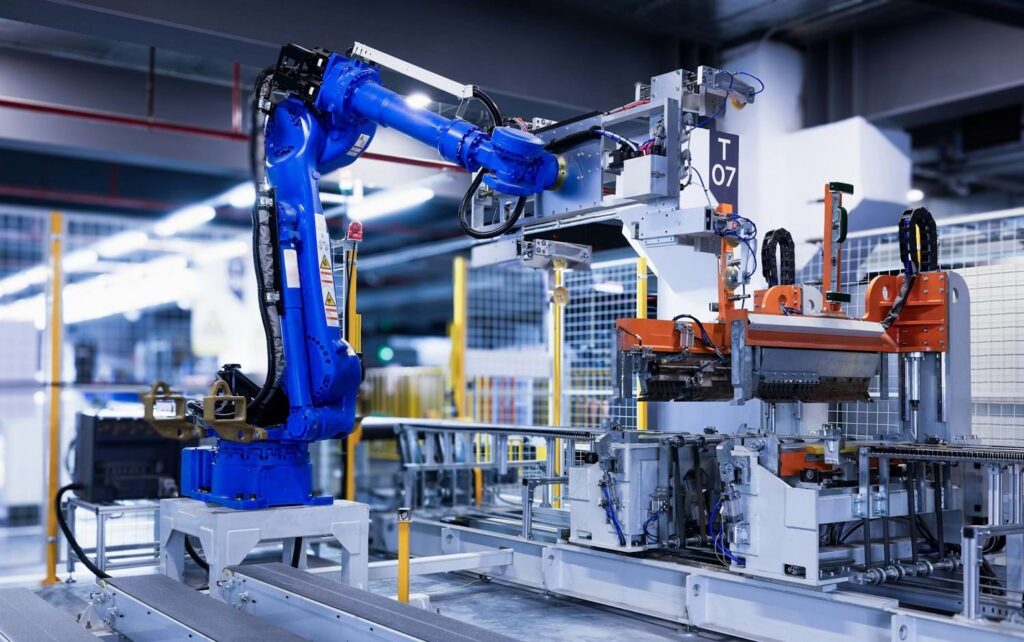
Industry 4.0 transforms production systems into smart factories capable of mass customization and rapid reconfiguration. Automated guided vehicles, collaborative robots, and digital twins change how goods are designed, produced, and delivered. These changes directly affect the workforce, shifting demand from routine manual tasks toward more cognitive and creative roles. Employees are expected to interact with digital tools, interpret data, and participate in continuous improvement processes. Organizational culture must therefore adapt, promoting openness to change and lifelong learning. Within this context, supports a culture where innovation is embedded in everyday operations rather than isolated in specialized departments. Communication becomes more horizontal, and feedback loops shorten significantly, aligning human potential with technological capabilities.
Future Perspectives and Long-Term Significance
Looking ahead, Industry 4.0 continues to evolve alongside emerging technologies such as edge computing, advanced robotics, and generative artificial intelligence. The boundaries between physical and digital worlds will blur even further, increasing the strategic importance of effective leadership models. Management 4.0 is likely to expand its influence beyond manufacturing, shaping services, logistics, and public organizations. Its long-term significance lies in balancing technological efficiency with human values, ensuring that digital transformation leads not only to higher productivity but also to sustainable and meaningful work environments. As Industry 4.0 matures, the integration of technology, people, and intelligent management practices will remain the defining feature of competitive and resilient organizations.